How to Play Drive Your Way
Drive Your Way is a free-to-play logistics tycoon you play in your browser. You begin with one small car and a little cash, and grow a transport business: take delivery contracts, earn money, buy bigger vehicles, hire drivers, and plan efficient routes on real city streets. This walkthrough covers everything from your very first delivery to running a fleet that works while you plan your next move.
Getting started
You can start playing instantly in your browser — there is nothing to download and no signup required. When you open the game you drop straight into the world as a guest with everything a new operation needs: a compact car with a full tank, a modest float of starting cash — and yourself on the roster as the company's first driver. If you want to keep your progress between sessions, create a free account at any time — your guest progress carries over to the new account, so nothing you have built is lost.
Your objective is easy to state and rewarding to master: take a small, one-vehicle operation and grow it into a thriving logistics company by moving goods efficiently and reinvesting everything you earn. Nothing on that journey is locked behind payment — the business you build is the business you earn.
The world and the map
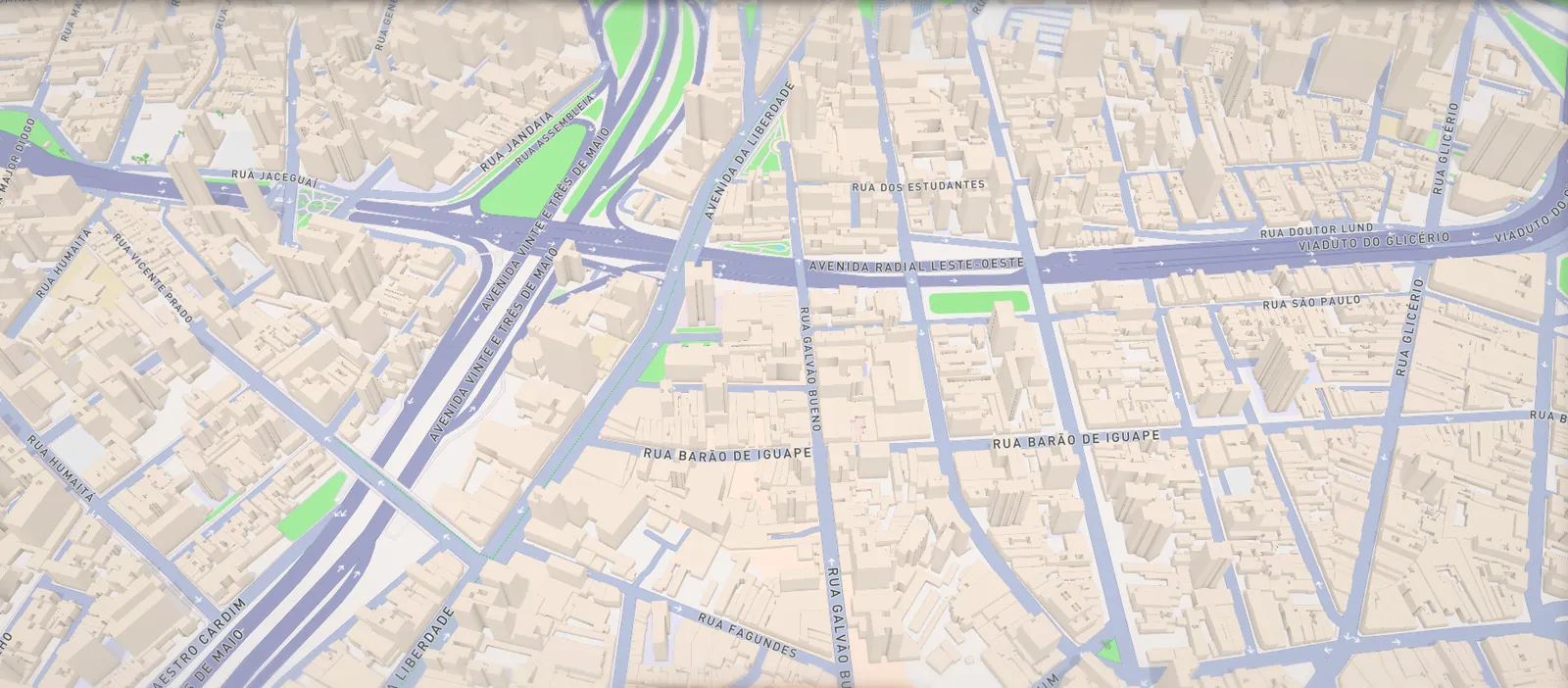
Drive Your Way is played on a real-world map. The roads you travel and the places you deliver to are actual streets, which means distance and direction behave the way they would on a real trip. A delivery across town is genuinely shorter than one across the city, and that geography shapes every decision you make.
Your company is based in a real city, with its real network of streets, gas stations, shops, and repair garages. The map is served by a global provider that covers the whole world, and letting players choose their starting city is on the roadmap — you can follow that progress on the devlog.

Taking contracts and deliveries
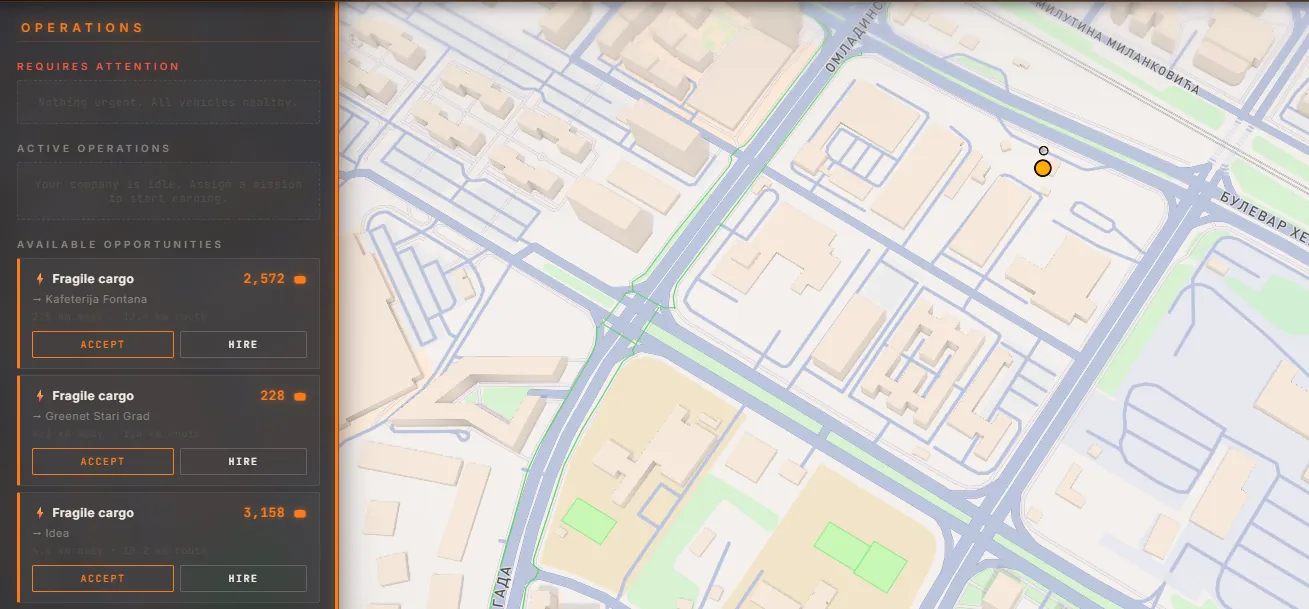
Contracts are the heart of the game. A contract is a delivery job: you accept it, move the goods to their destination, and get paid on handover. The Operations panel lists the jobs currently on offer — a rotating pool of contracts that varies in cargo, payout, and distance. Payouts scale with distance, and the cargo type adds its own multiplier: fragile electronics pay noticeably better than a load of furniture, because they are harder to deliver intact.
Some contracts involve more than a single pickup and drop-off — split deliveries, multi-stop runs, round trips. These more complex jobs pay a premium over simple point-to-point hauls. You can also combine several compatible contracts into one run and earn a bonus for every extra delivery in the route. The full economics are covered in our contracts & payouts guide.
Route planning
When you accept a job you choose how to drive it. The route planner offers three strategies for every leg: Fast, Normal, and Economic. Fast routes save time but double the risk of accidents and cargo damage; economic routes are gentler on the vehicle and cargo but take longer. Reading the risk numbers in the mission panel — estimated fuel, wear, accident chance per kilometre — and matching the route to the cargo is one of the core skills of the game. See the route planning guide for when each strategy pays off.
Cargo and integrity
Every load has a condition meter: cargo integrity starts at 100% and can drop on the road — gradually from rough driving on risky routes, or sharply in an accident. Integrity at handover directly affects your payout: deliver at 90% or better and you get full pay; below that, the payout steps down; and once integrity falls below 50%, you are at high risk of the delivery failing outright and paying nothing at all.
Cargo comes in six categories — solid, perishable, fragile, refrigerated, liquid, and special — and not every vehicle can carry every category. Liquids need a tanker truck; refrigerated goods need a refrigerated van; and some cargo types refuse to share a vehicle with others. The cargo guide and integrity & accidents guide cover the details.
Fuel, wear and repairs
Vehicles burn fuel by the kilometre, and each class has its own tank and consumption — a compact car sips fuel while a heavy truck drinks it. Refuel at real gas stations on the map. If you run dry in the middle of nowhere, the Emergency Assistance menu can send a refuel truck (at a premium price) or tow the vehicle to the nearest station for a flat fee.
Distance also wears your vehicles down across six components — engine, transmission, suspension, brakes, tires, and body. Worn vehicles have more accidents, so schedule repairs at a garage before problems compound. Repairs take real time, and you can wait it out, watch a short optional ad, or spend gems to skip the timer. The full economics are in the fuel, wear & repairs guide.
Money and gems
There are two currencies in Drive Your Way:
- Money is the soft currency you earn by completing contracts. You spend it on vehicles, fuel, repairs, and drivers — everything that grows your business. Money is earned entirely through play, and it is the currency that drives your progress.
- Gems are the premium currency. They buy cosmetic liveries for your vehicles and convenience time-skips — never competitive advantage. This separation is deliberate and central to the game's design — see the no pay-to-win section below.
Growing your fleet
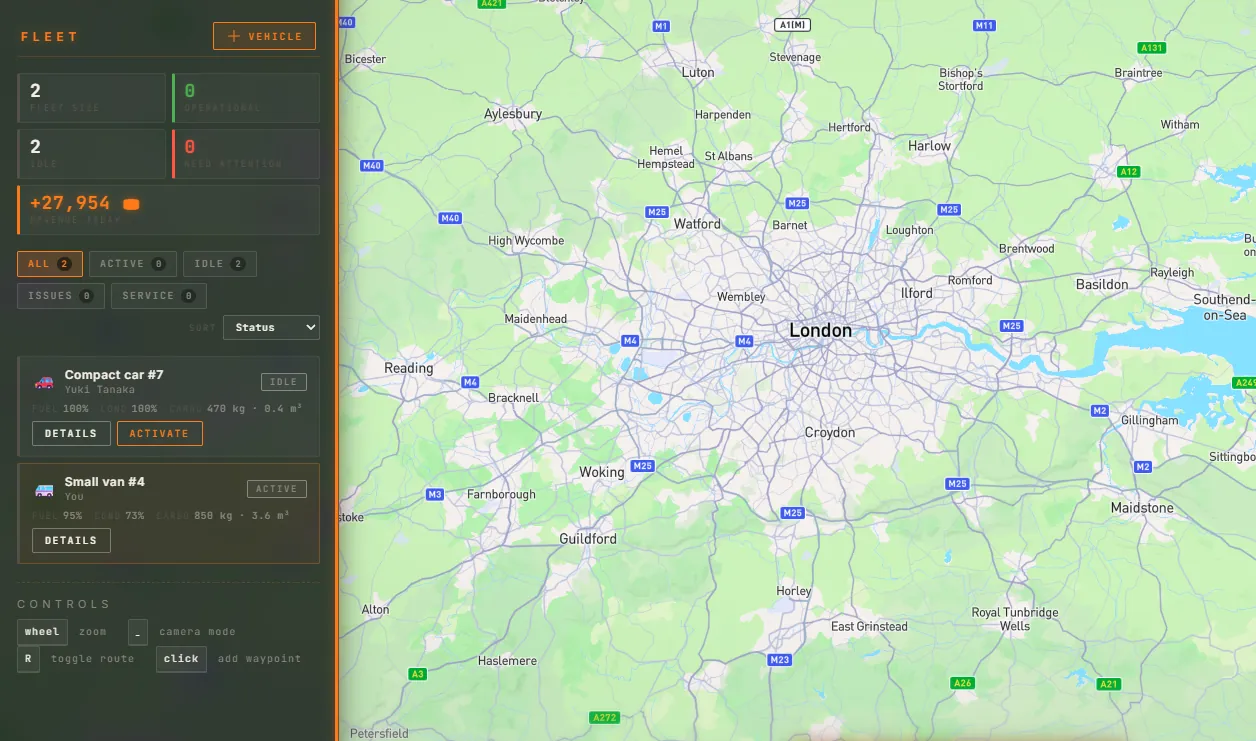
Your fleet is your earning power. In the Showroom (inside the Fleet panel) you can buy any vehicle in the current lineup — from the starting compact car through vans and box trucks up to the heavy tractor truck, plus specialist refrigerated and tanker vehicles. Bigger vehicles carry bigger, better-paying cargo, but they also cost more to fuel and repair, so the right purchase depends on the contracts you actually plan to run. You can sell a vehicle back at half its purchase price if your strategy changes. The vehicle guide has full specifications for every class.
Hiring and managing drivers
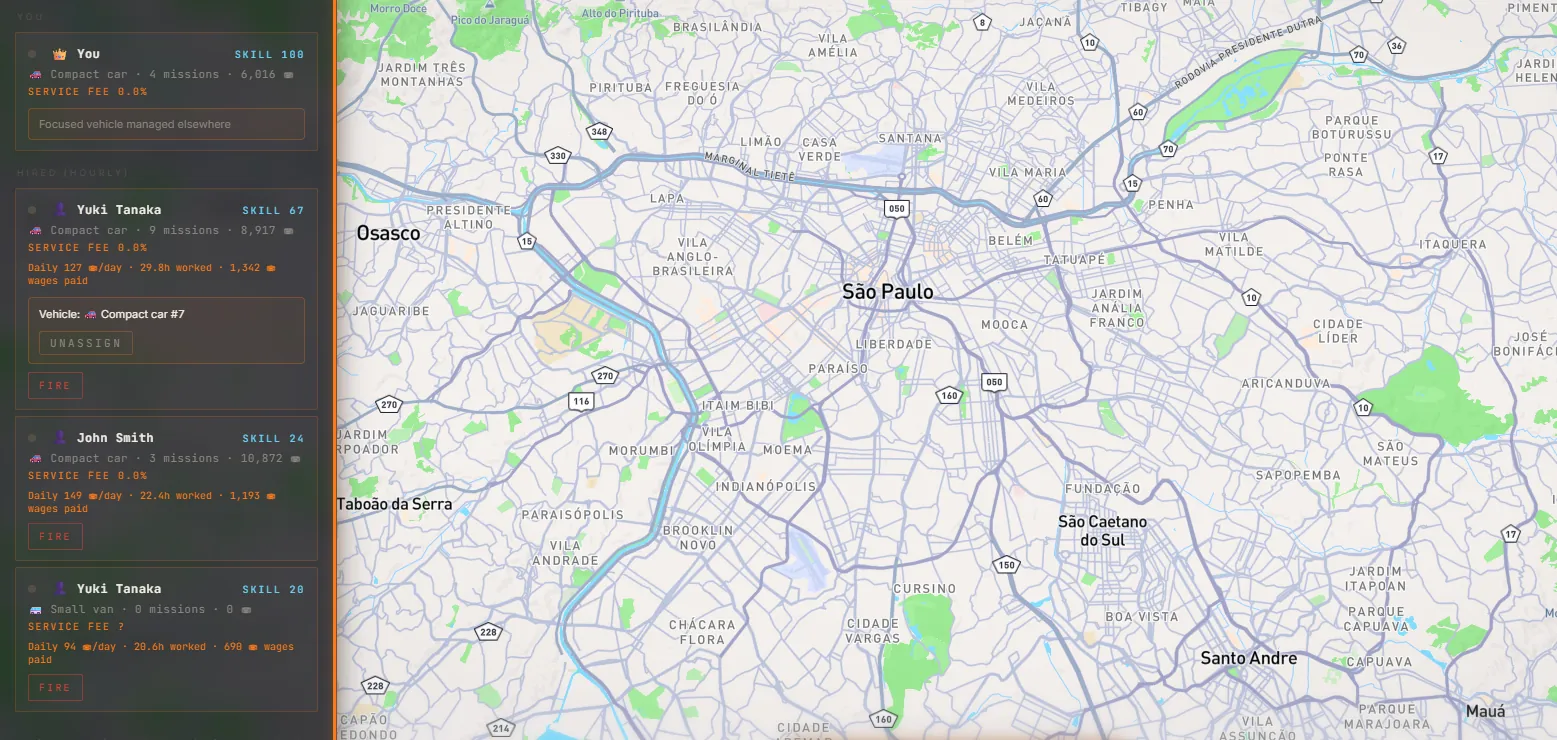
You cannot run every vehicle yourself, and that is the point. Drivers run deliveries in vehicles you assign to them, in parallel, while your own vehicle works its jobs. There are two kinds: contract drivers, who take a single job for a share of the payout, and hourly drivers, who join your staff once you open your own company. Every driver has a skill rating that affects how fast they drive and how often things go wrong.
Opening a company is the mid-game milestone: after 20 completed missions you can pay the incorporation fee, unlock hourly drivers, and manage the whole operation from the Fleet and Operations panels. The driver guide breaks down the fees, the skill system, and when each driver type is worth it.
Early-game tips
- Take reliable jobs first. Steady short contracts you can finish without trouble build your bankroll faster than gambling on one long haul with cargo you cannot protect.
- Watch integrity, not just payout. A high-paying fragile load delivered at 70% integrity pays half. Sometimes the boring cargo is the profitable one.
- Default to Normal routes. Fast routes double your risk — save them for cheap, sturdy cargo or tight deadlines. Economic routes shine on long hauls with delicate loads.
- Refuel before you are desperate. Emergency refuel costs half again as much per litre plus a dispatch fee. A planned stop is always cheaper.
- Keep everyone busy. An idle vehicle or driver earns nothing. Aim to always have your fleet working on something.
- Reinvest early and often. Money sitting unused earns nothing. Vehicles and drivers are what compound your income.
More depth on every one of these topics lives in the guides section.
No pay-to-win
Drive Your Way follows a strict no pay-to-win philosophy. Purchases are limited to cosmetic vehicle liveries and convenience time-skips — things that make the experience more personal or a wait shorter. They never buy earning power, never unlock better contracts, and never let anyone skip the skill of running a good operation. The progress that matters is earned through play, by everyone, on the same terms.
Ready to play?
The best way to learn is to jump in. Play Drive Your Way now — it is free and runs in your browser. If you have questions, the FAQ covers the most common ones, and you can always reach us via the contact page.