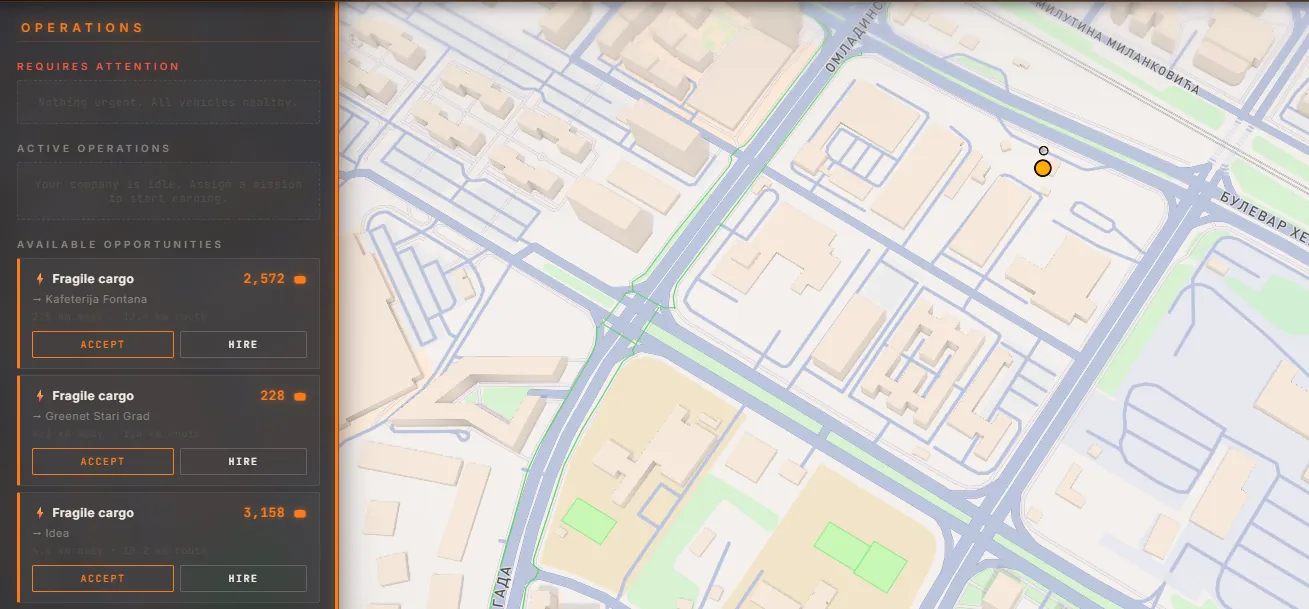
Drive Your Way starts small on purpose. You are the company, and at the beginning you are also its only driver: one compact car, a modest stake, and a board of delivery jobs somewhere in a real city. The first hour is spent doing the work yourself — finding the pickup, getting the load across town, watching what arrives in your account afterwards.
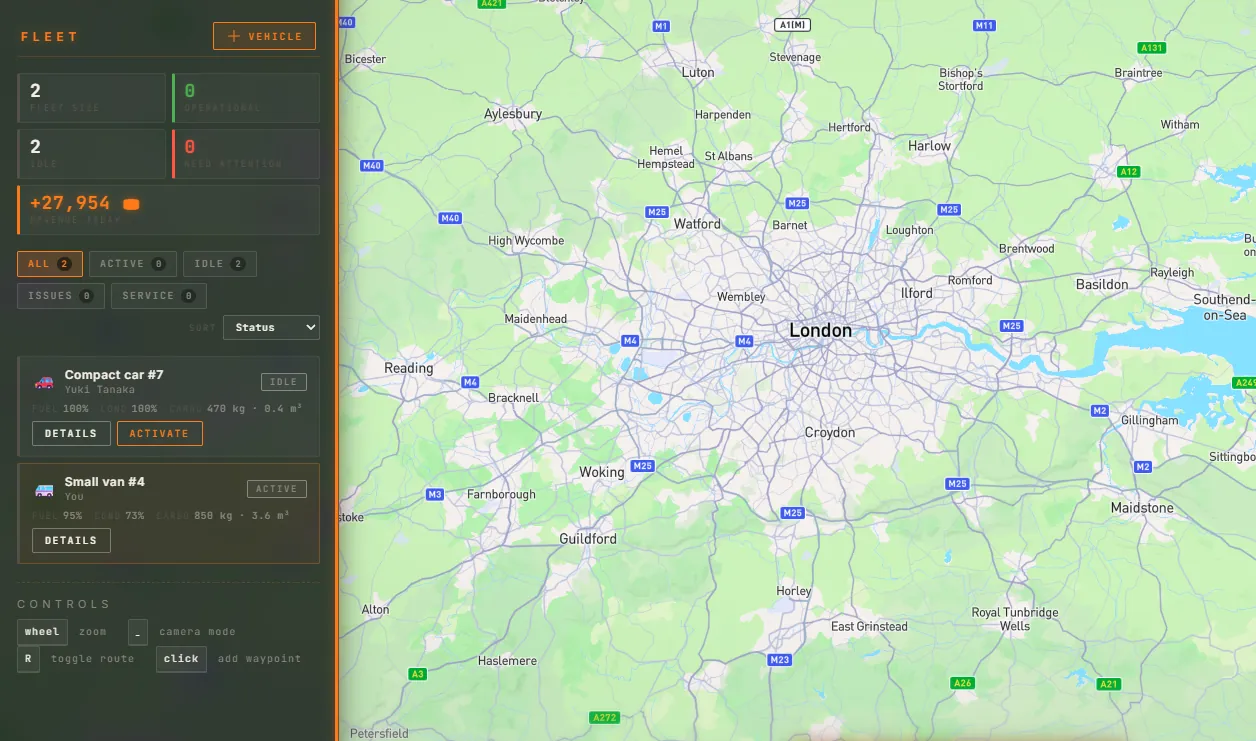
The shift from driver to owner is the actual arc of the game. Once you can afford a second vehicle, you cannot be in both of them, and every choice after that is about what to delegate and to whom. A contract driver takes one job and disappears; a salaried driver stays on the payroll whether or not there is work for them today. Neither is simply better, and the difference between them is a question about how much work you expect to have next week.
The map is a real one, and it does not cooperate
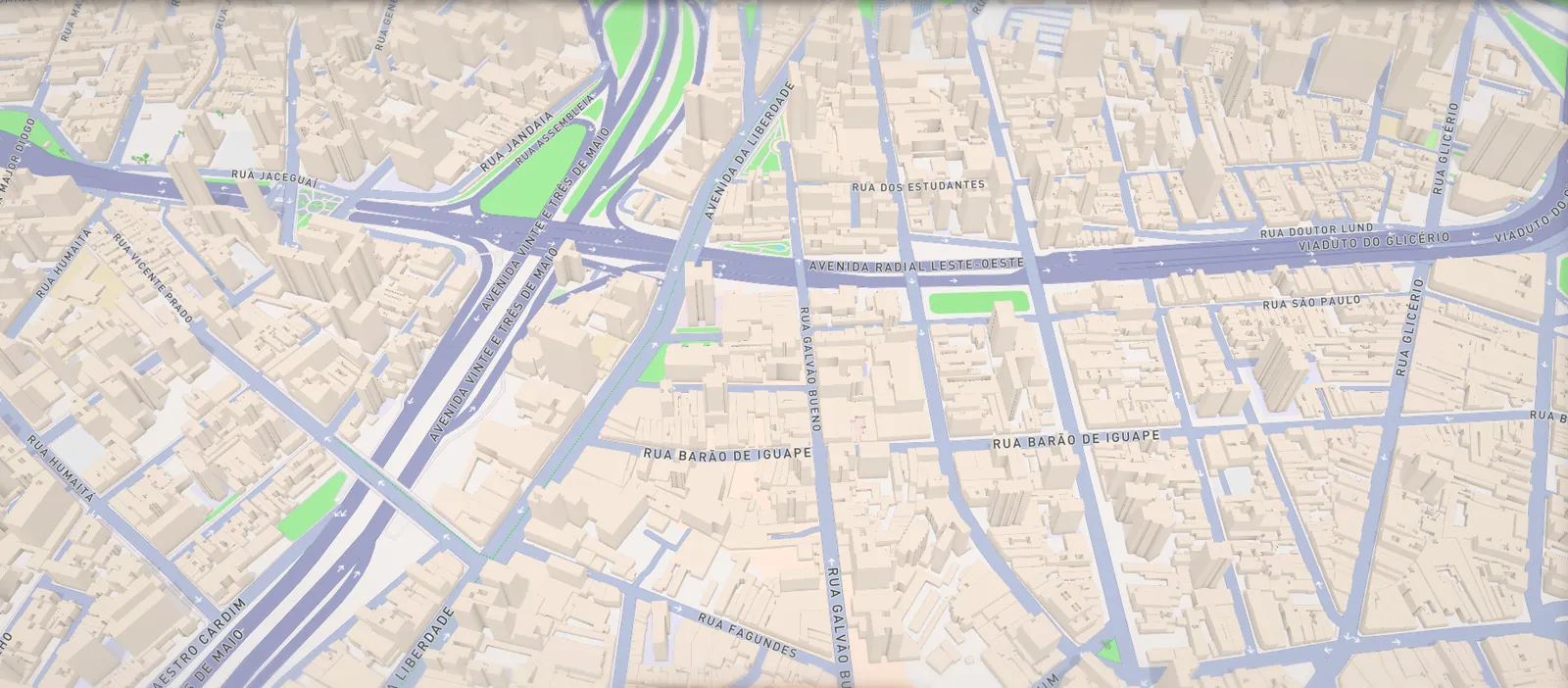
Most transport games are played on terrain designed to be fair. Streets in Drive Your Way are the streets of an actual city — one-way systems, bridges with queues behind them, an industrial district that is close as the crow flies and awkward by road. Nobody laid them out with your depot in mind.
That has a consequence people notice about three hours in: local knowledge becomes worth something. You start to know which crossing to avoid at the wrong moment, which side of the river a job really lives on, and which contracts look well paid until you see where they end.
Nothing arrives for free
A delivery has a price beyond the driver's cut. Fuel is burned by the kilometre and pays no attention to whether the trip was worth taking. Components wear out of sight until a warning light forces the issue. A vehicle finishes its job wherever the job ended, so the next contract begins with the drive to its pickup — a leg that earns nothing and costs the same as any other.
Cargo has its own opinion about how it was carried. Take the fast line with something fragile and it may arrive intact, or it may arrive worth rather less than it was when you loaded it. The game does not stop you from hurrying; it simply prices it.
What it is not
It is not an idle game with a truck theme. Progress comes from decisions rather than from waiting, and a fleet left unattended will strand itself, run dry and quietly bill you for the privilege.
It is also not pay-to-win. Purchases are cosmetic and convenience, never a shortcut to a better contract or a faster vehicle, and the whole game is playable without spending anything — as a guest, with no account, from a browser tab.